Fatigue, Stress, and Human Performance: What Neuroscience Says About Safety
The Risk That Doesn’t Show Up in Documentation
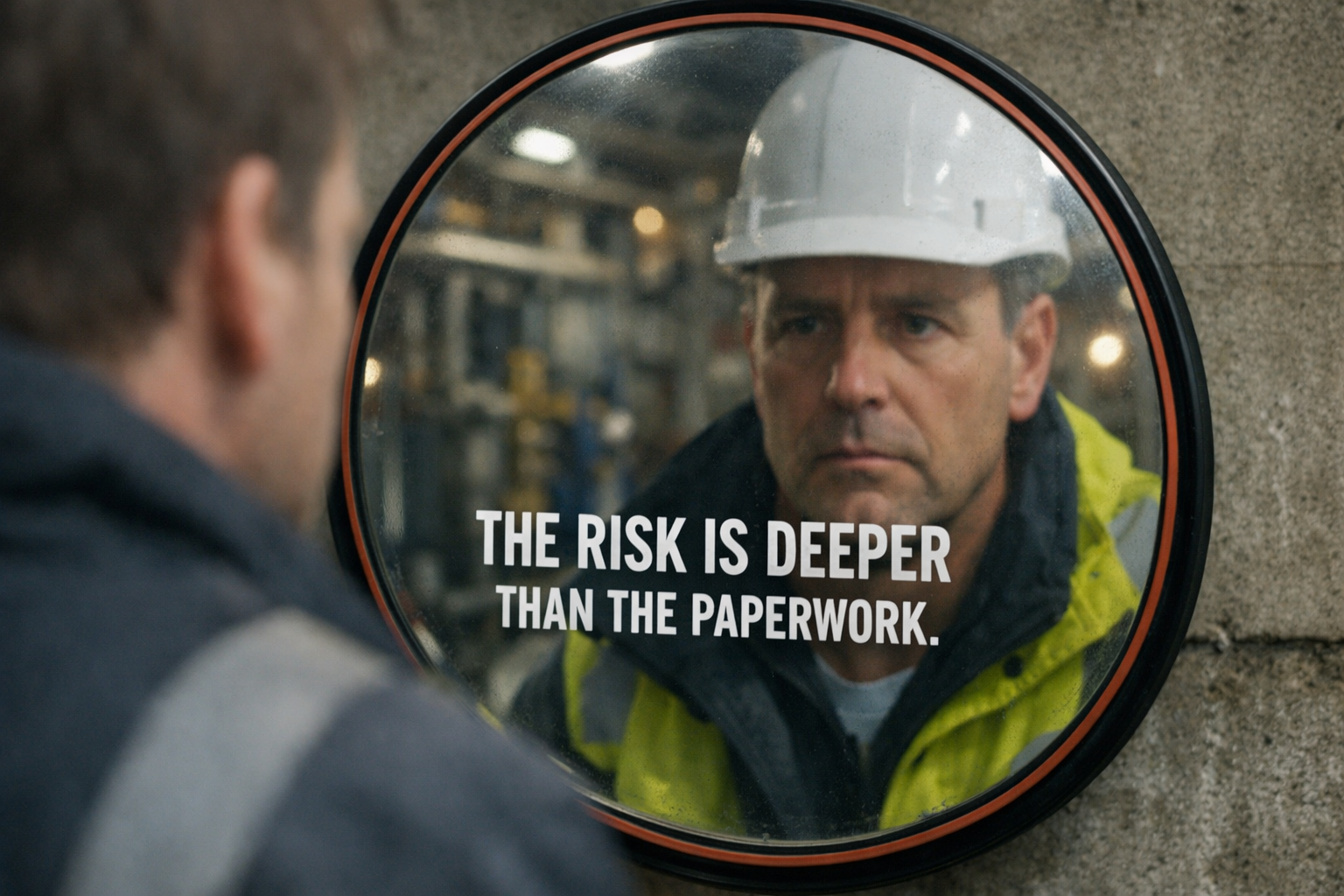
A contractor can be fully prequalified, properly insured, and trained, yet still make a critical mistake within minutes of starting work.
That’s the uncomfortable reality many safety leaders face today.
Because the issue is no longer just compliance. It’s human performance and safety risk how people actually think, react, and make decisions under pressure.
Fatigue, stress, and workload don’t appear on a checklist. But they directly influence whether procedures are followed, hazards are recognized, and decisions are made correctly in the moment - something widely acknowledged by the National Institute for Occupational Safety and Health (NIOSH) in its research on workplace fatigue and cognitive performance.
Why Human Performance Is Now a Safety Priority
For years, safety programs have focused on documentation: training records, OSHA compliance, certificates of insurance, and contractor prequalification.
Those are still essential. But they only answer one question:
Is the contractor qualified to do the work?
They don’t answer a more important one:
Can the contractor perform safely under real conditions?
Research in cognitive science and occupational health shows that fatigue and stress impair attention, working memory, and decision-making key functions required for safe task execution (NIOSH; CDC Workplace Health studies).
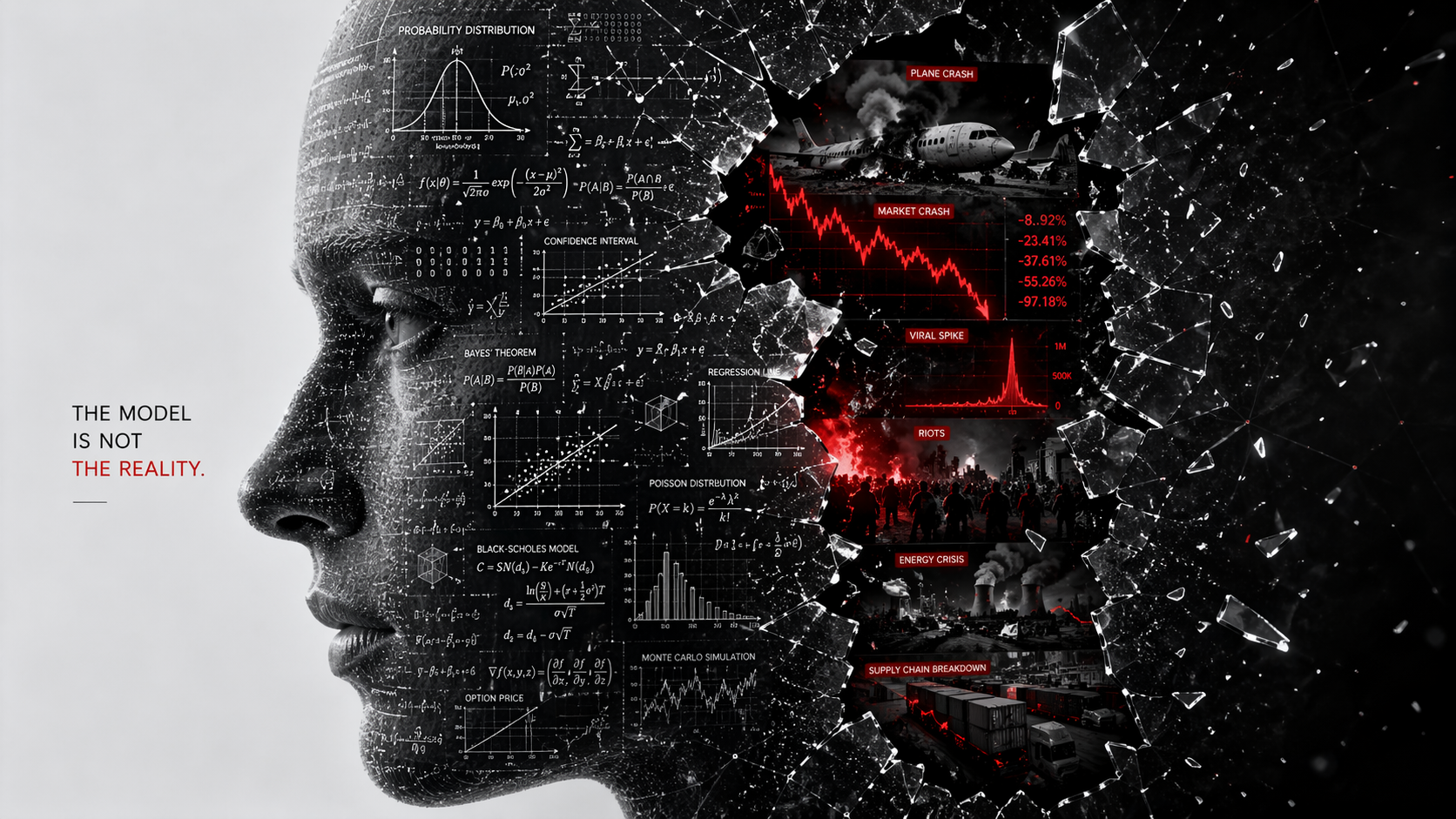
This is where safety breakdowns occur - not from missing rules, but from reduced human reliability.
How Fatigue Increases Workplace Accidents
Fatigue doesn’t usually cause dramatic failures. It leads to small, subtle errors that accumulate.
A missed step. A delayed reaction. A moment of inattention.
In high-risk environments, that’s enough.
According to NIOSH fatigue research, extended work hours and insufficient rest are directly associated with slower reaction times and decreased alertness factors that contribute to workplace incidents.
Fatigue affects reaction time, memory, and awareness. Workers rely more on habit than judgment, which becomes dangerous when conditions change.
This is why fatigue and workplace safety remain closely linked, particularly in industries with long shifts or physically demanding work environments.
Stress and the Erosion of Safety Compliance
Stress introduces a different kind of risk.
Under pressure, people don’t necessarily ignore safety - they adjust it. They move faster, skip steps, and make decisions that feel efficient in the moment.
The Occupational Safety and Health Administration (OSHA) has long recognized that workplace stress and organizational pressure can contribute to unsafe behaviors and increased incident risk, particularly when production demands outweigh safety priorities.
Over time, this creates a gradual shift in behavior. Safety procedures are still in place, but they’re not followed with the same consistency.
That’s when stress and human error in safety begin to surface - not as intentional noncompliance, but as performance degradation.
Cognitive Overload on Modern Job Sites
Today’s work environments demand constant attention. Workers are processing equipment risks, site conditions, instructions, and safety requirements all at once.
When that demand exceeds capacity, cognitive overload occurs.
Research in human factors and ergonomics supported by agencies like NIOSH and the National Safety Council (NSC) shows that excessive cognitive load reduces hazard recognition and increases error rates.
The result isn’t chaos - it’s missed details. Hazards go unnoticed. Decisions are delayed or rushed.
In contractor environments, this risk increases further when individuals must navigate unfamiliar systems, documentation, or site expectations.
Where Systems Contribute to Human Error
Many safety risks tied to human performance are not just individual, they’re systemic.
OSHA frequently cites issues such as inadequate training, poor recordkeeping, and inconsistent enforcement as contributing factors in workplace incidents (OSHA 29 CFR standards across hazard communication, LOTO, and training requirements).
When contractor information is scattered, when COIs are tracked manually, or when prequalification is inconsistent, teams are forced to make decisions without clarity.
That uncertainty creates pressure. And under pressure, mistakes happen.
This is where human error in contractor management becomes a real exposure - not because teams lack expertise, but because the system makes it harder to apply it consistently.
Reducing Risk by Reducing Friction
Improving human performance isn’t about eliminating fatigue or stress. It’s about reducing the conditions that
make them more dangerous.
This is where FIRST, VERIFY supports safety teams in a practical way.
By structuring contractor prequalification and centralizing compliance data, organizations reduce the effort required to verify information and make decisions. Instead of searching across systems or chasing documentation, teams have a clear, consistent view of contractor status.
When certificates of insurance are tracked systematically and renewal reminders are in place, gaps are identified earlier. When contractors complete site-specific orientation before arrival, they are better prepared for the environment they’re entering.
This aligns with established risk mitigation practices: consistent documentation, verified training, and structured compliance processes are widely recognized as foundational to reducing workplace risk exposure.
A More Practical Way to Think About Safety
Fatigue, stress, and workload will always exist in high-risk industries. They can’t be eliminated.
But their impact can be reduced.
The most effective safety programs today recognize that compliance alone is not enough. They focus on creating conditions where people can perform reliably even when pressure increases.
Organizations that improve visibility, standardize processes, and reduce administrative burden are better positioned to support safe decision-making across their contractor workforce.
Final Thought
Most incidents don’t happen because organizations lack safety standards. They happen when those standards are difficult to apply in real time.
Human performance and safety risk sits in that gap.
Closing it doesn’t require more complexity. It requires clarity, consistency, and systems that make the right decision easier to make.
Take the Next Step
If your contractor management process still relies on manual tracking or disconnected systems, it may be adding unnecessary risk.
FIRST, VERIFY helps bring structure and visibility to contractor compliance so your teams can make better decisions when it matters most.
Request a demo to see how FIRST, VERIFY can strengthen your safety program.
You might also like