Why Annual Safety Documentation Renewal Matters in High-Hazard Environments
Contractor Prequalification Requirements Can’t Be a One-Time Event
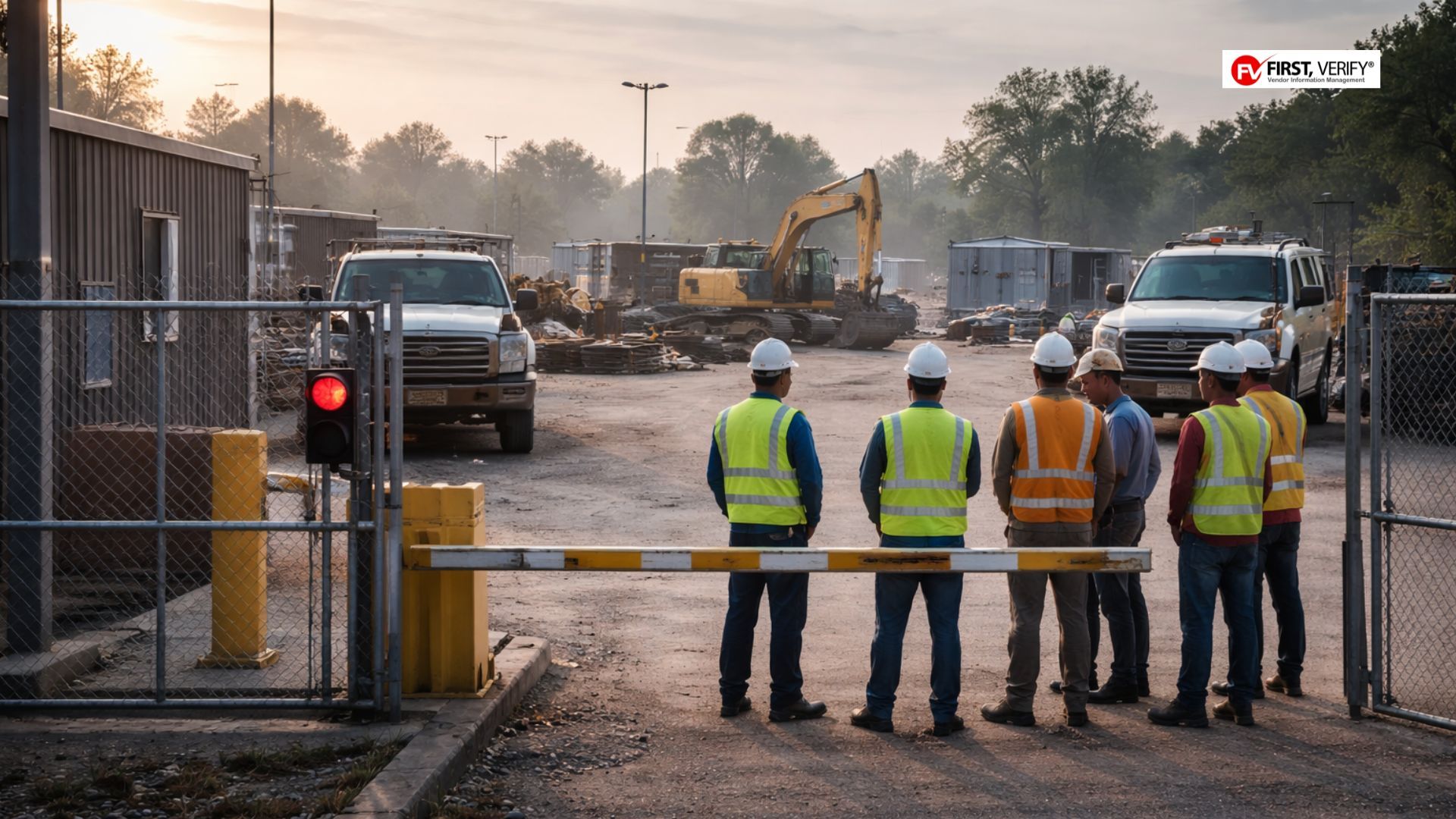
It usually starts with confidence.
A contractor was approved. The paperwork was complete. The boxes were checked. Work moved forward.
Then months pass.
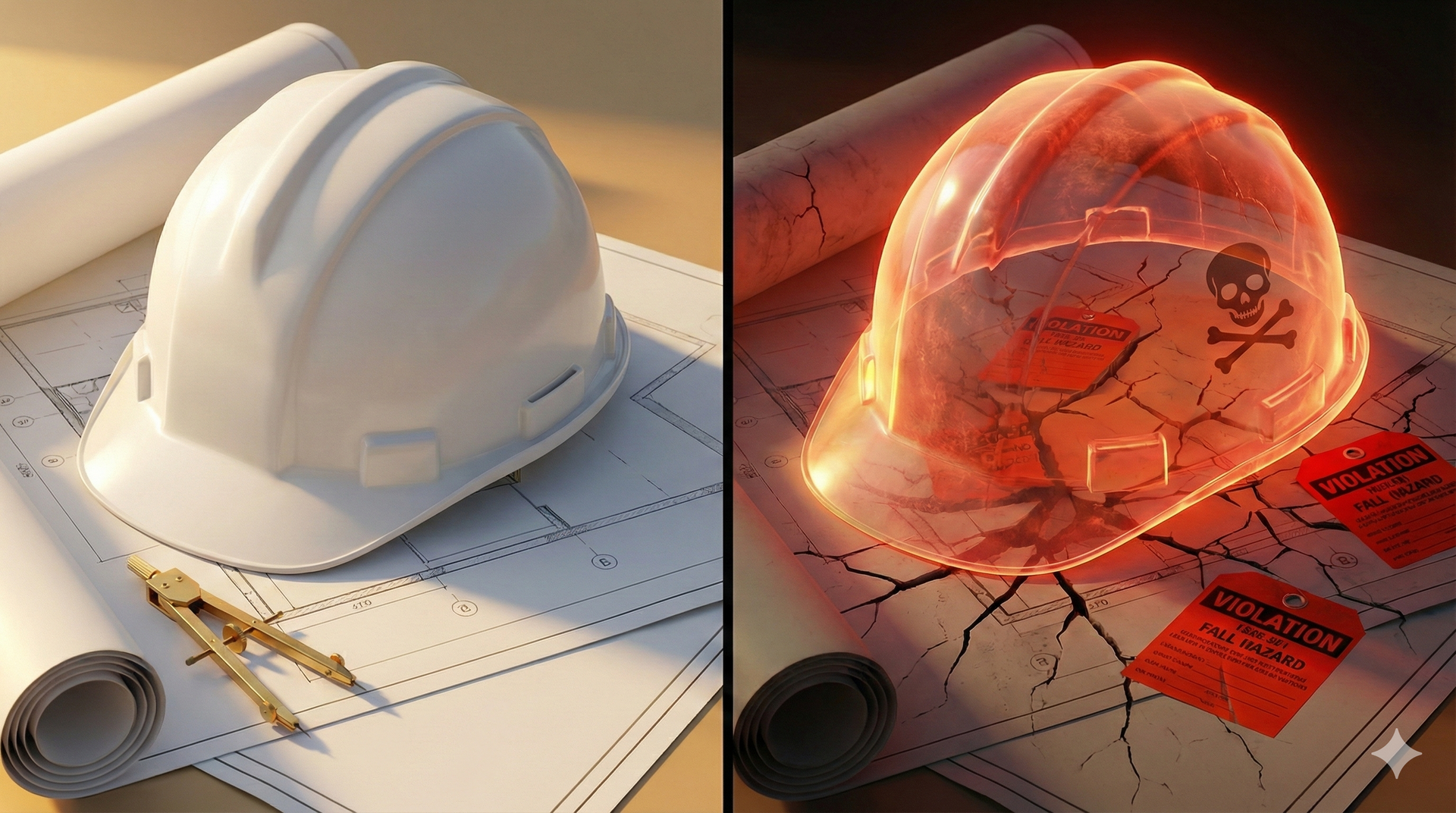
A safety manager asks for updated records. An insurance review reveals a policy quietly expired. An audit request surfaces documentation that no longer reflects how work is actually being done. Suddenly, the question is no longer whether the contractor was qualified but when they were last truly reviewed.
In high-hazard environments, this is where risk hides. Not in what you failed to collect but in what you assumed never changed.
Here’s the uncomfortable truth: many organizations treat contractor prequalification requirements as a one-time hurdle, not a living process. And that assumption creates exposure long before anyone realizes it.
This article explores why annual contractor prequalification and safety documentation renewal are non-negotiable, why relying on “previously approved” contractors is one of the most common blind spots in contractor risk management, and how FIRST, VERIFY enforces a structured renewal cycle that keeps compliance current - not assumed.
Why Annual Safety Documentation Renewal Matters
In high-hazard industries, contractor risk does not remain static. A contractor that was compliant twelve months ago may no longer meet your requirements today.
Annual renewal cycles ensure:
- Safety documentation requirements remain current
- OSHA requirements for contractors are addressed consistently
- Certificates of insurance (COIs) are renewed and compliant
- Contractor qualification status reflects present-day condition
Without a defined renewal process, contractor onboarding and compliance quickly become fragmented - spread across spreadsheets, emails, and disconnected systems.
The Real Risk of Outdated Contractor Information
1. OSHA Requirements for Contractors Continue to Evolve
OSHA regulations and enforcement priorities shift regularly. Annual compliance review for contractors ensures required documentation such as OSHA forms, safety history, and written safety programs aligns with current expectations, not last year’s standards.
2. Insurance Coverage Changes Often Quietly
Insurance policies renew annually, but coverage limits, carriers, or endorsements can change. Without COI renewal and COI compliance tracking, organizations may assume coverage exists when it does not.
3. Safety Programs Are Not Static
Contractors revise safety programs based on new hazards, workforce changes, or regulatory updates. Annual safety program updates confirm that documented programs reflect how work is actually being managed today.
4. Manual Processes Create Blind Spots
Manual tracking of contractor documentation often leads to:
- Missed expirations
- Inconsistent contractor qualification status
- Delays caused by expired or incomplete records
- Increased audit exposure
These gaps directly impact Safety Directors, Risk Officers, and Procurement Leaders who are accountable for contractor compliance but lack centralized visibility.
Annual Contractor Prequalification: A Practical Compliance Safeguard
An annual contractor documentation renewal cycle establishes a predictable, enforceable rhythm for compliance. Instead of chasing updates reactively, organizations gain a structured process for updating contractor safety records before gaps become liabilities.
An effective annual renewal includes:
- Updated business and contact information
- Current safety documentation and OSHA records
- Renewed COIs
- Verification of licenses, certifications, and bonding limits
This approach supports consistent contractor information verification across sites, departments, and projects.
How FIRST, VERIFY Supports Annual Compliance Reviews
FIRST, VERIFY is built around the reality that contractor information must be reviewed and renewed regularly - not assumed valid indefinitely.
Structured Annual Renewal by Design
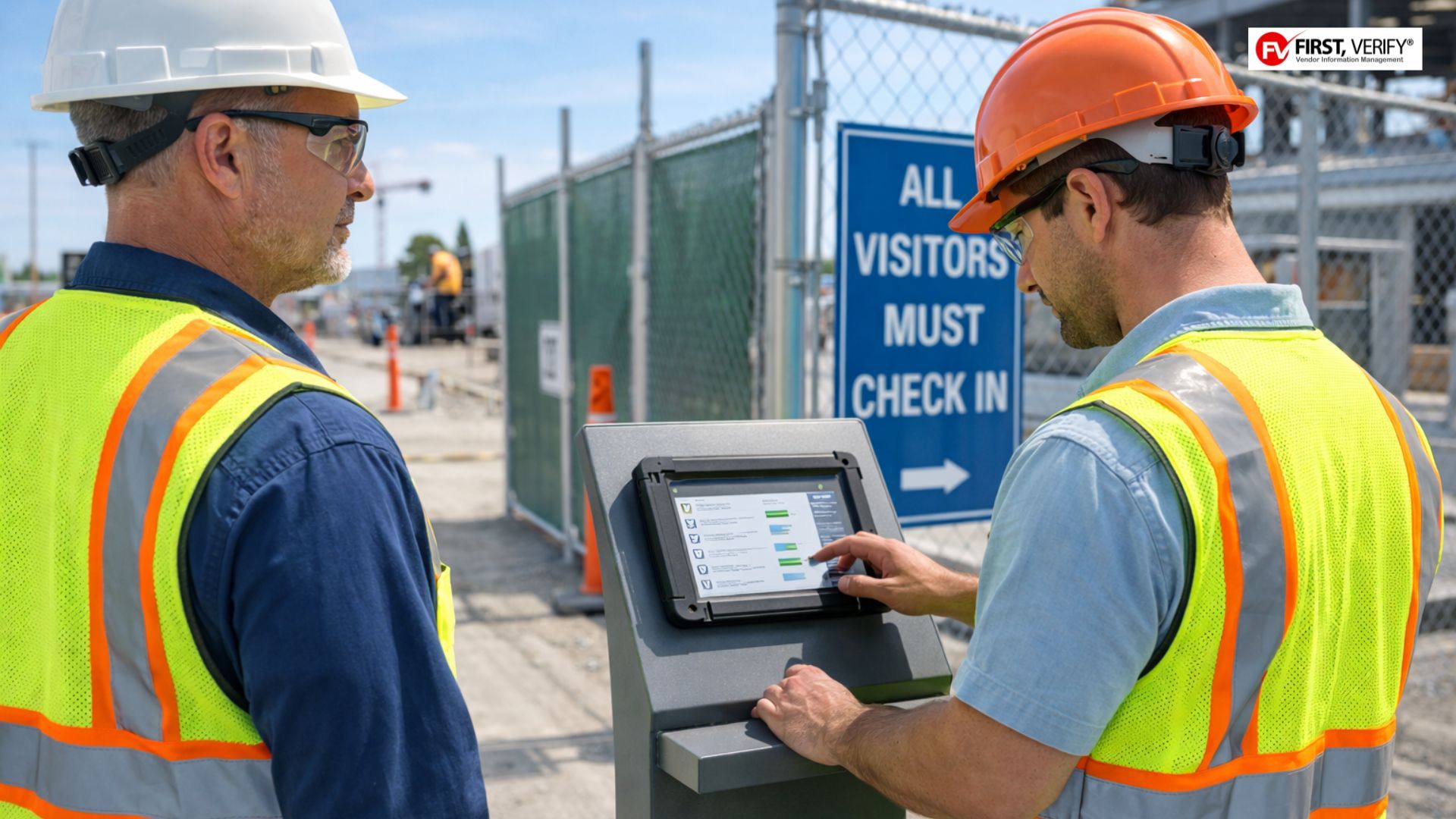
The platform enforces annual contractor prequalification by requiring contractors to resubmit safety documentation, COIs, and business information each year. This ensures that contractor qualification status reflects current conditions, not outdated approvals.
Centralized Safety & Compliance Data
All contractor records safety documentation, OSHA history, COIs, licenses, and supporting records are gathered and organized in one centralized system. This structure supports faster audits, clearer visibility, and more consistent decision-making.
COI Compliance Tracking Without Guesswork
FIRST, VERIFY streamlines COI renewal by:
- Collecting required insurance documentation
- Verifying submissions against client-defined requirements
- Sending reminders for expiring policies
- Displaying insurance compliance clearly within contractor profiles
This reduces delays caused by expired COIs and supports safer contractor onboarding and compliance.
Consistency Across Contractors and Locations
Using client-defined templates such as safety or low-risk templates ensures contractors provide the correct documentation based on the work they perform. Annual renewal applies those same standards consistently year after year.
A Simple Annual Compliance Checklist for High-Hazard Environments
Safety and compliance leaders can use this checklist to assess their current renewal process:
☐ Are contractor prequalification requirements reviewed annually?
☐ Are safety documentation requirements updated and verified each year?
☐ Are COIs actively tracked and renewed?
☐ Is contractor qualification status clearly visible and current?
☐ Is contractor information centralized and accessible for audits?
If any of these answers are uncertain, your renewal process may be exposing your organization to unnecessary risk.
Annual Renewal Is About Control, Not Bureaucracy
Annual compliance review for contractors is not about adding friction - it is about maintaining control in environments where the margin for error is small.
When contractor onboarding and compliance rely on outdated records, organizations absorb risk silently. When renewal is structured, documented, and enforced, safety teams gain confidence that contractor information reflects reality.
That is the purpose behind FIRST, VERIFY: providing a consistent, rules-based system that keeps contractor documentation current, visible, and defensible year after year.
Take the Next Step Toward Consistent Contractor Compliance
If your organization operates in high-hazard environments, annual safety documentation renewal is not optional it is foundational.
Learn how FIRST, VERIFY supports annual contractor prequalification, COI compliance tracking, and centralized safety documentation to help EHS, Risk, and Operations leaders maintain confidence in their contractor compliance programs.
Request a demonstration today and see how structured annual renewal strengthens contractor risk management without adding administrative burden.
You might also like