Remote Safety Audits: A Practical Approach to Verifying Contractor Program Implementation
There is a moment every Safety Director or Risk leader recognizes.
You know your contractor safety requirements are clear. Your policies are documented. Your prequalification process is in place.
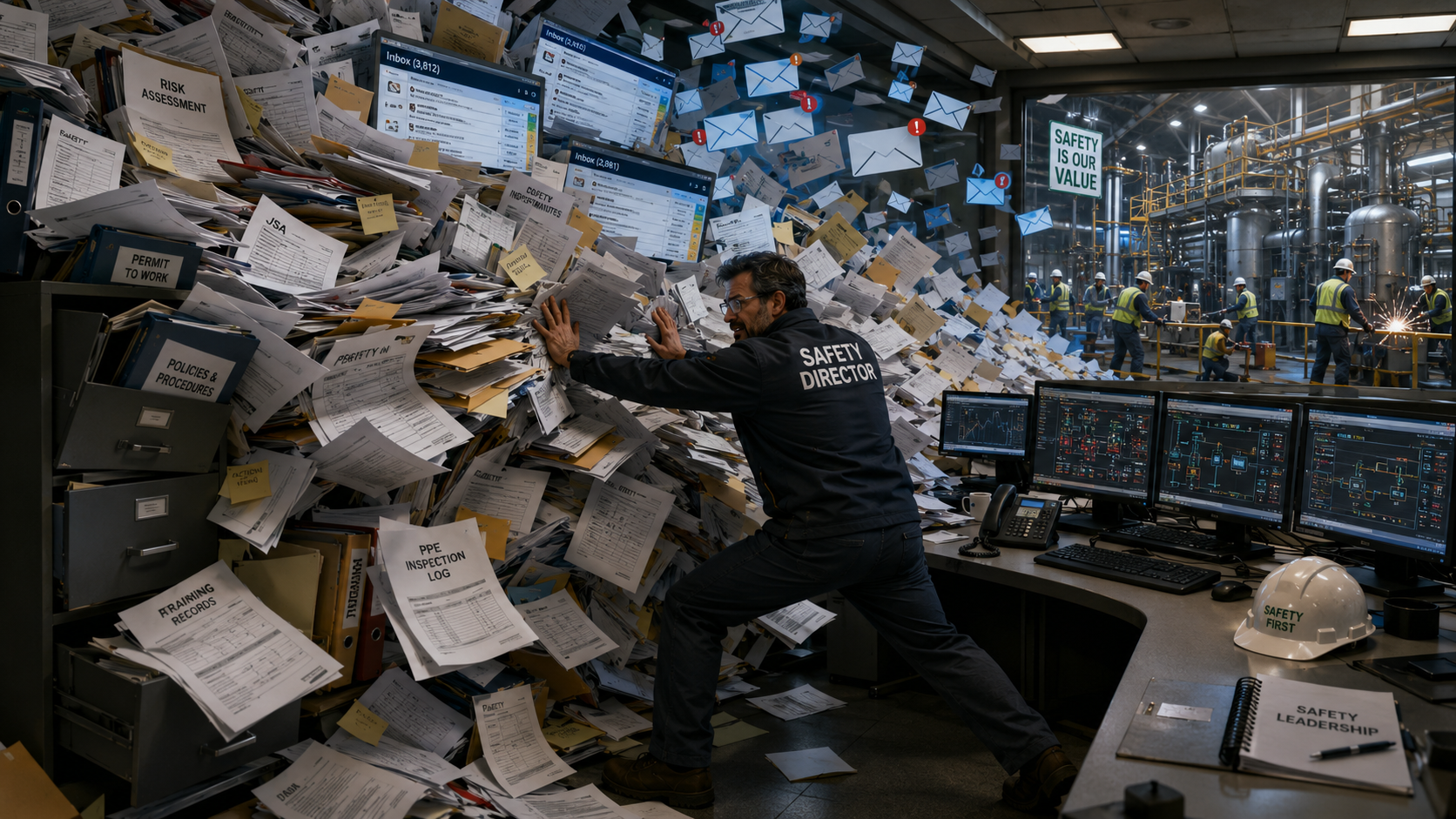
But you also know you don’t have the staff or the calendar to physically audit every contractor, every site, every year.
That gap between expectation and capacity is where risk quietly grows.
This is why remote safety audits have become a practical, credible solution for organizations that need stronger oversight without overextending internal resources. When done correctly, remote audits provide structured, documentation-based verification that contractor safety programs are not just written but actively implemented.
This article explains how remote safety audits work, why they matter, and how FIRST, VERIFY delivers a repeatable, cost-effective approach to contractor safety program verification.
Why In-Person Audits Alone Are No Longer Enough
Most organizations agree that onsite audits are valuable. Direct observation matters especially for high-risk work.
The challenge is scale. As contractor populations grow, relying solely on in-person audits creates unavoidable constraints:
- Limited internal EHS staff capacity
- Travel costs and scheduling delays
- Inconsistent audit coverage across contractors
- Long gaps between reviews
The result is often a fragmented compliance picture. Some contractors are reviewed frequently. Others are not reviewed at all.
Remote contractor audits address this imbalance by providing consistent, repeatable oversight without the logistical burden of sending auditors into the field.
The Core Problem: Programs on Paper vs. Programs in Practice
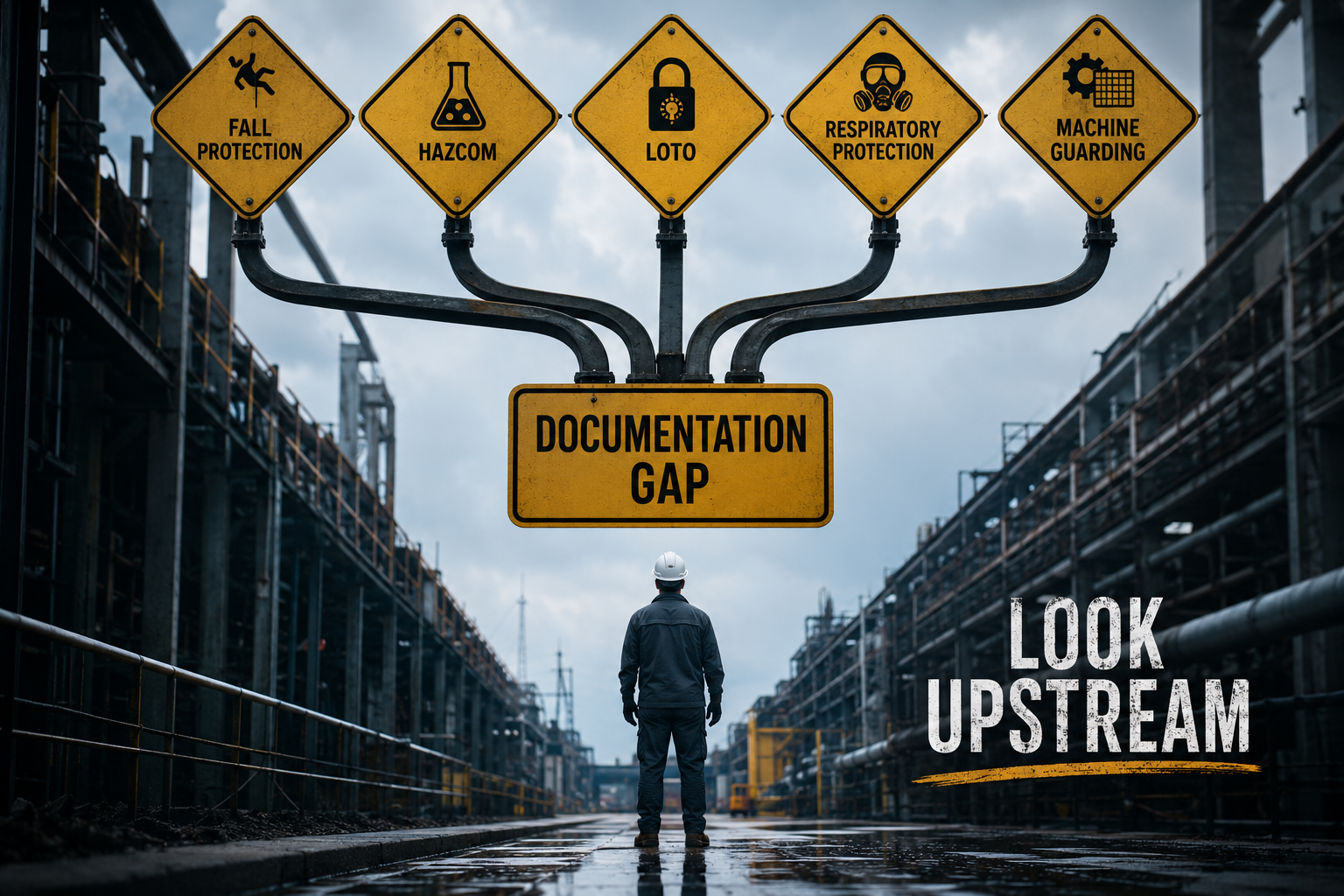
Many contractor safety failures don’t stem from missing policies. They stem from lack of verification.
- Common breakdowns include:
- Safety manuals that exist but are not updated
- Training conducted but not documented
- Inspections completed inconsistently
- Enforcement policies that are written but unsupported by records
- Certificates of insurance (COIs) tracked manually or reviewed inconsistently
Without documentation-based safety audits, organizations are left relying on self-reported information, creating blind spots that affect OSHA compliance, contractor insurance compliance, and overall risk posture.
What Remote Safety Audits Actually Evaluate
A well-designed remote safety audit is not a checklist exercise. It is a structured review of how a contractor’s safety program is implemented and maintained over time.
FIRST, VERIFY’s remote audit service focuses on documented evidence, including:
- Safety training records, such as dated and signed training rosters
- Jobsite inspection processes and documentation
- Documented safety meetings (“toolbox talks”)
- Incident investigations and corrective action documentation
- Disciplinary policies and enforcement records
- Alignment with required safety programs
This approach allows organizations to verify contractor safety program implementation without physically visiting each site.
A Practical, Repeatable Audit Model
Remote safety audits work best when they follow a consistent framework.
Step 1: Define What Matters Most
Not every contractor presents the same level of risk. Remote safety audits can be customized to focus on:
- High-risk scopes of work
- Critical OSHA program areas
- Contractor types with elevated exposure
- Client-specific safety standards
This ensures audit effort aligns with actual risk.
Step 2: Review Documentation Not Just Declarations
Remote audits rely on evidence, not assurances. Contractors are required to submit documentation that demonstrates:
- Training occurred
- Policies are current
- Inspections are performed
- Enforcement is documented
This documentation-based safety audit model reduces reliance on unchecked self-reporting.
Step 3: Apply Consistent Scoring
Each remote audit is evaluated using a structured scoring methodology. This creates:
- Objective comparisons across contractors
- Clear identification of gaps
- Repeatable benchmarks year over year
Consistency is critical for contractor compliance auditing at scale.
Step 4: Use Audits Strategically
Remote audits are not meant to replace onsite audits. They are designed to:
- Establish baseline compliance
- Identify contractors that require follow-up
- Support annual or rotating safety program implementation audits
- Extend oversight across the full contractor population
This hybrid approach strengthens oversight without overwhelming internal teams.
How Remote Audits Support Contractor Insurance Compliance
Safety and insurance compliance are closely linked. When contractor safety programs lack documentation, insurance gaps often follow:
- Expired or incorrect COIs
- Missing endorsements
- Inadequate coverage alignment with scope of work
Remote contractor audits complement contractor insurance compliance by reinforcing disciplined documen-tation practices supporting both safety and risk management objectives.
The FIRST, VERIFY Approach to Remote Safety Audits
FIRST, VERIFY provides remote safety audits as a structured service - not a generic questionnaire. Key elements include:
- Documentation-focused safety program verification
- Customizable audit scope based on risk tolerance
- Weighted scoring for clear prioritization
- Flexible scheduling (annual or multi-year rotation)
- A repeatable, cost-effective model
By focusing on documentation rather than field observation, FIRST, VERIFY delivers meaningful oversight with-out the expense and disruption of constant onsite audits.
When Remote Safety Audits Make the Most Sense
Remote safety audits are particularly effective for:
- Contractor prequalification reinforcement
- Annual contractor compliance auditing
- Large or geographically dispersed contractor populations
- Organizations with limited EHS staffing
- Programs seeking consistency and defensibility
They provide a practical way to strengthen oversight while preserving internal resources.
Turning Oversight Into Confidence
The goal of contractor safety oversight is not perfection. It is confidence.
Confidence that training is documented.
Confidence that programs are implemented.
Confidence that compliance decisions are based on verified information not assumptions.
Remote safety audits, when executed with structure and discipline, provide that confidence.
If your organization is balancing growing contractor risk with limited internal capacity, FIRST, VERIFY’s remote audit service offers a practical path forward.
Learn how remote safety audits can strengthen your contractor compliance program without stretching your team further.
You might also like